Agave, Memory, and the Stories We Carry
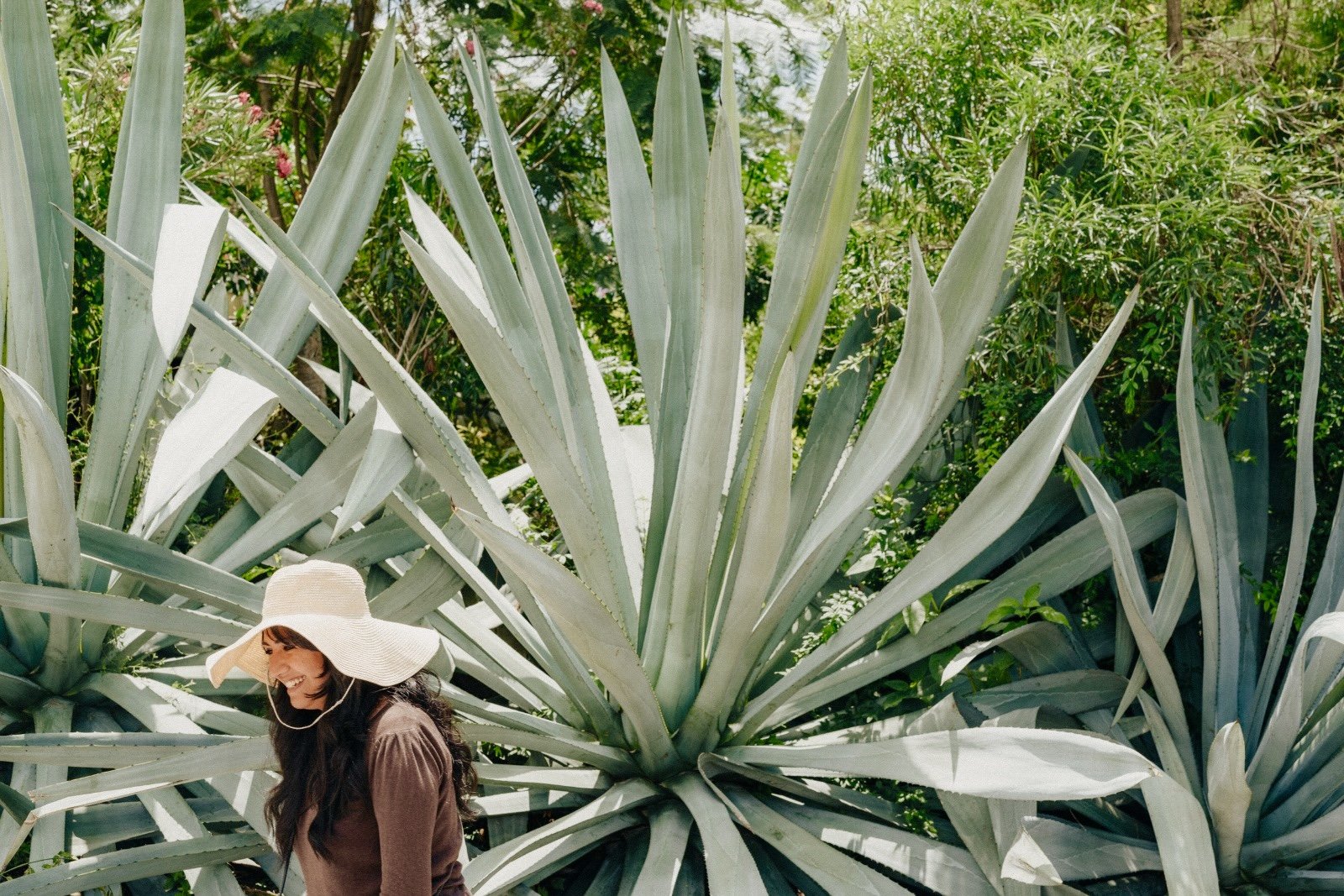
Agave, Memory, and
the Stories We Carry
Carmen López Torres
As someone deeply passionate about agave in all its expressions, I feel this is a particularly exciting moment to put pen to paper. My name is Carmen López Torres, and I am a food chemist and bar consultant specializing in agave spirits.
My most recent venture within the hospitality world was opening and curating the bar program at Despacho Margarita in Mexico City. Prior to that, I was a brand advocate in NYC, promoting education and sharing my mezcal stories around the city. I was also lucky to participate in the production and star in the third season of Netflix's “Taco Chronicles.”
But my story begins much earlier.
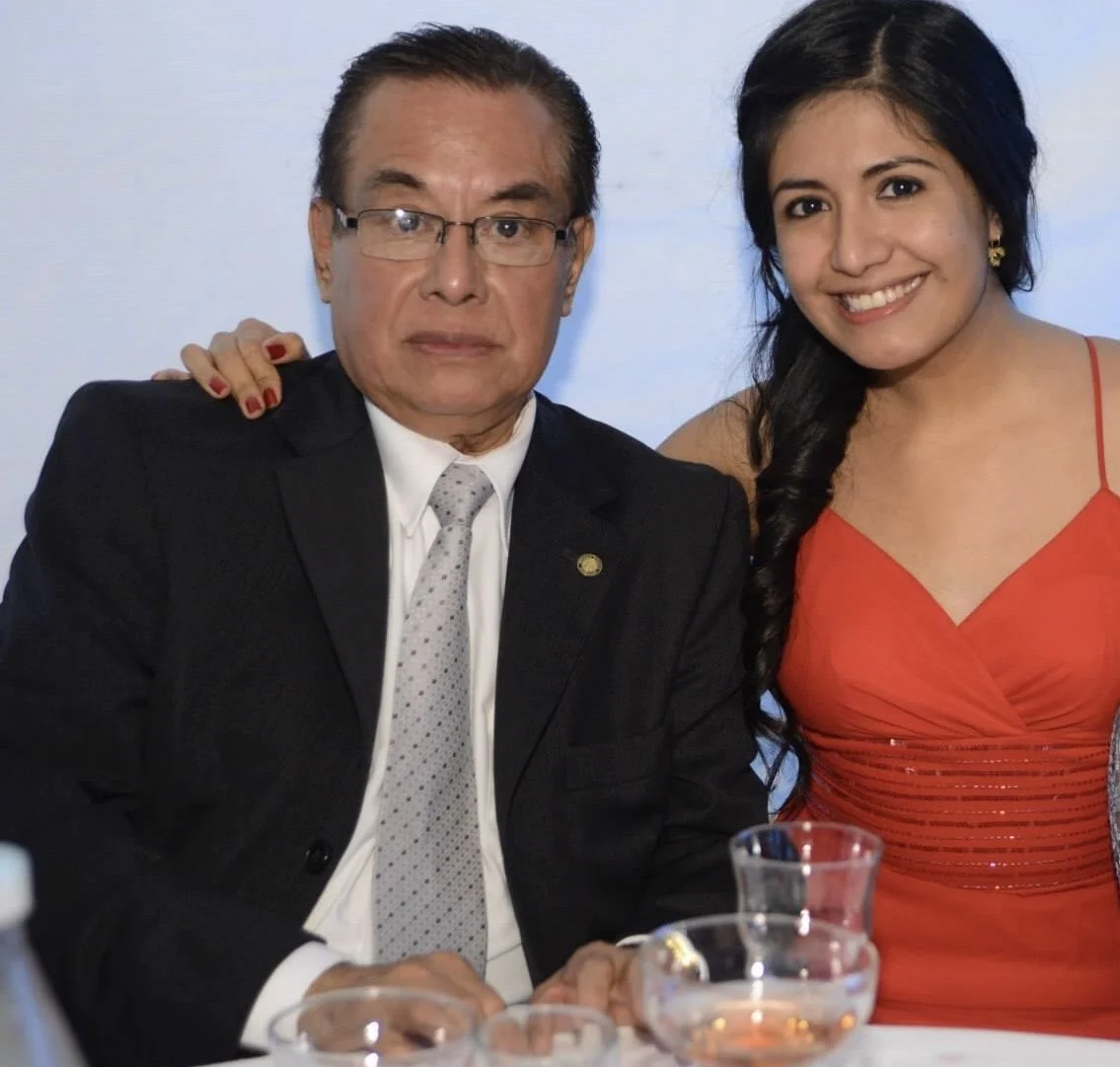
Carmen and her father, Marcos.
My connection to agave spirits began in my childhood. I grew up in Mexico City in a household with a strong food and drink culture, which allowed me to understand from a young age the value of sharing a good meal, especially when it was prepared with intention. We are Zapotec on my father’s side of the family, and I grew up visiting his town on the outskirts of Oaxaca. These yearly visits opened my eyes not only to the beauty of his small town but also to the marginalization and issues that come with being part of a small community.
My late father, a professor at Pedro Domecq’s School for Tourism, had a particular fondness for teaching me about his profession. He taught me that by rubbing tequila in my hands, I could smell the scent of cooked agave hearts. As a curious 7-year-old, this discovery helped me to understand from an early age that the study of agave spirits is one based on curiosity, respect, and dedication.
Some years later, I studied Food Science at Universidad Nacional Autónoma de México (UNAM), where I found a passion for new product development focused on the art of distillation. This allowed me to intertwine both my passions: food and agave spirits.
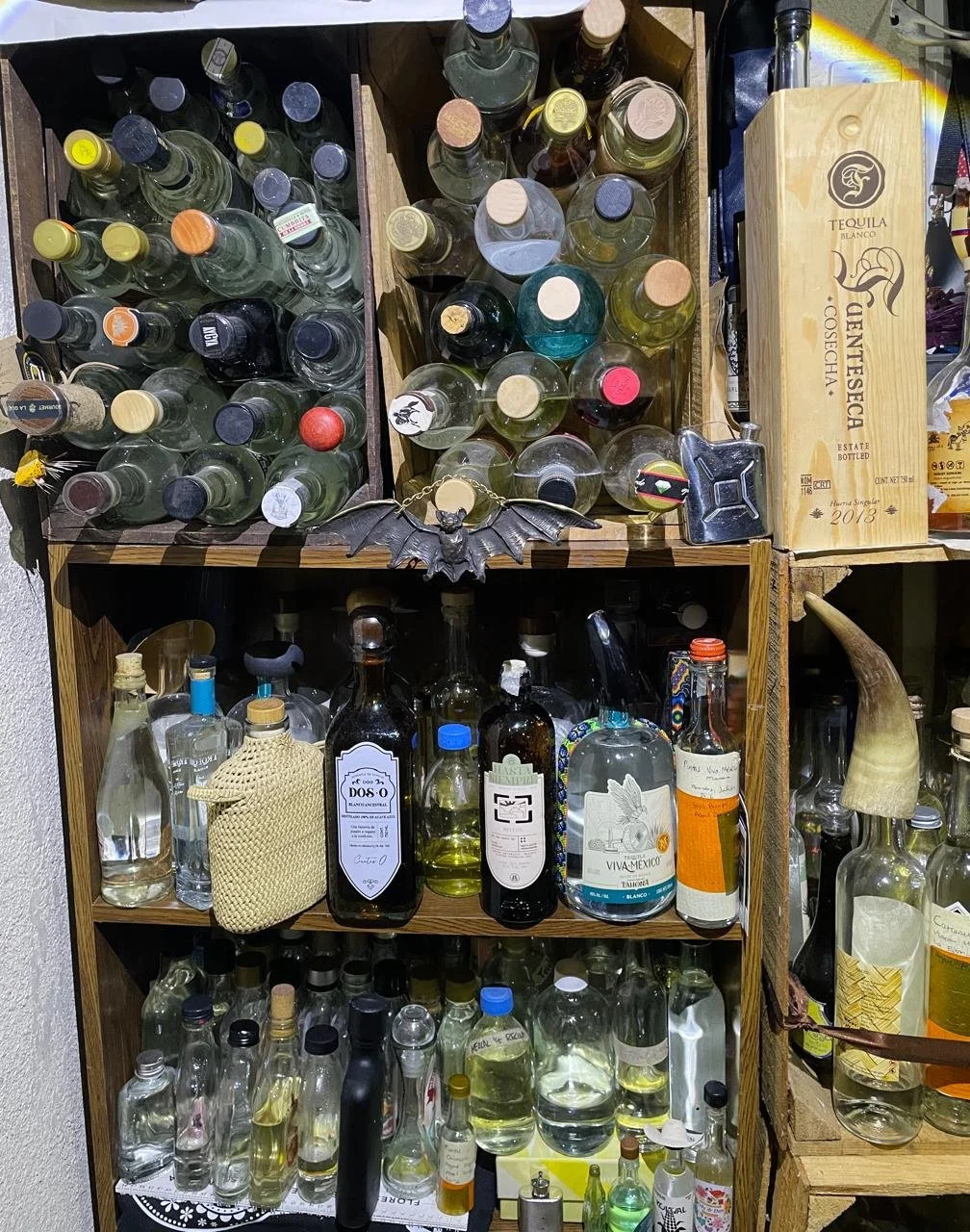
A small sample of Carmen’s bottle collection.
Almost twenty years ago, in my first year as a student, I visited my first mezcal distillery in San Luis Potosí. Several years later, I landed in New York City with a suitcase carrying what can only be described as an ambitious (and slightly questionable) amount of mezcal from Zacatecas. At the time, most mezcal available in the US came almost exclusively from Oaxaca, so to introduce this northern region’s spirit felt like a small but meaningful victory. Advocacy became a way for me to build bridges—connecting projects and producers across Mexico with audiences in the US. Through tastings, masterclasses, training, and storytelling, I had the privilege of working alongside bar and sales teams across the East Coast, building long-lasting relationships that were forged by mezcal.
The world of agave spirits is growing faster than most people realize, and as a food scientist, I’ve made it my mission to follow that evolution firsthand. In 2016, I traveled to Europe to see how agave was reshaping bar programs abroad. The difference was striking: compared to previous trips in 2010 and 2012, bars were now dedicating entire menus to Mexican spirits, signaling a growing appreciation for the category beyond the US, its largest market. These journeys also revealed the imminent rise of agave spirits produced outside Mexico, expanding the category’s global footprint. By 2023, I found myself at trade shows in London, Berlin, and Paris, tracking the ongoing evolution of this dynamic industry and the ways agave was capturing international attention for its billion-dollar value.
At their core, agave spirits are intertwined with Mexican biodiversity, which we have to respect and preserve. I’ve always said that when I talk about mezcal, I am talking about Mexico. We share the social tissue of communities alongside their endemic varieties of agave and Sotol, through their distillation.
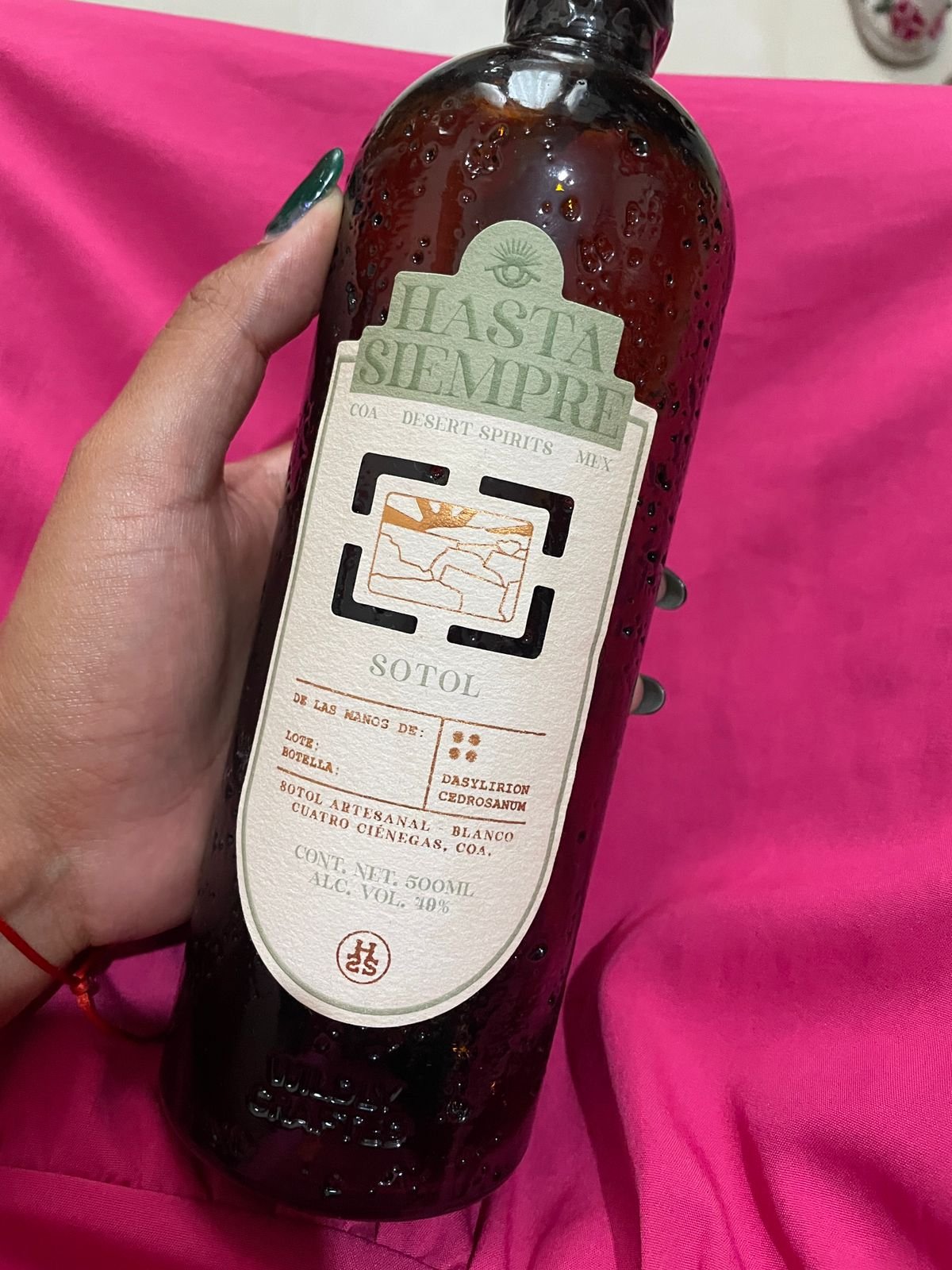
A Coahuila sotol, produced with traditional methods, and a favorite bottle from her collection.
Part of what fascinates me most is how language and tradition shift across regions. The lexicon of Mexican spirits is deeply tied to geography and history. As kids in elementary school, we learn the systemic differences between the cultures of Aridoamerica and Mesoamerica, which, as adults, help us understand how those geographic nuances translate into the variety of production methods used across the country. Take the dasylirion plant, for example: it’s called “cucharilla” in Oaxaca and “sotol” in Coahuila. Tasted side by side, you can savor their intricate differences: while cucharilla from Oaxaca tends to be greener and floral, sotol from Coahuila tends to directly express the season in which it was produced, with a drier mouthfeel and earthy, sweet notes.
The more I travel and taste spirits, the more I comprehend how vast the road is. In 2022, I was lucky to be selected to do a bar residency at Pussyfoot Saloon in South Korea. I crafted a menu premised on Mexican spirits and my experience in Oaxacan markets and towns—we even imported some herbs for me to create an authentic experience, similar to how I would have infused mezcal in Oaxaca with their outstanding variety of local herbs and fruits. I saw this as an opportunity to promote interdisciplinary education about agave spirits. When I guide a tasting, I mention the sociological, historical, philosophical, and scientific perspectives. This way, we can consider not just the economic aspect but also the humanistic one.
When you understand the intensive nature of the labor, the people, and the stories of the bottles from before they even make it to shelves, there is a sense of responsibility that comes with it. I’ve come to the conclusion that growing up Mexican often involves nuances that are hard to translate but deeply felt. Like when you’re tired and want to go to sleep, but your parents are still at the family party, and they put you to sleep in chairs.
The exercise of writing helped me define what I wanted to say about the importance of migration and Mexican culture in the US. I want to use my voice when important issues need to be challenged, especially when accountability feels far too hard to achieve and telling the truth is an act of courage.
I hope that through my work and continued commitment to education, more people will fall in love with authentic agave spirits, while also thinking critically about sustainability and responsibility, whether they’re behind the bar or simply enjoying a drink.
Traditionally, agave experts have acted as storytellers and catalysts, inspiring others to engage with this world, because the more we share these stories, the more they ignite opportunities to bring people together. Building community and protecting the heritage of agave culture is a good step toward preserving authentic agave spirits for generations to come.